1. Open World Overload
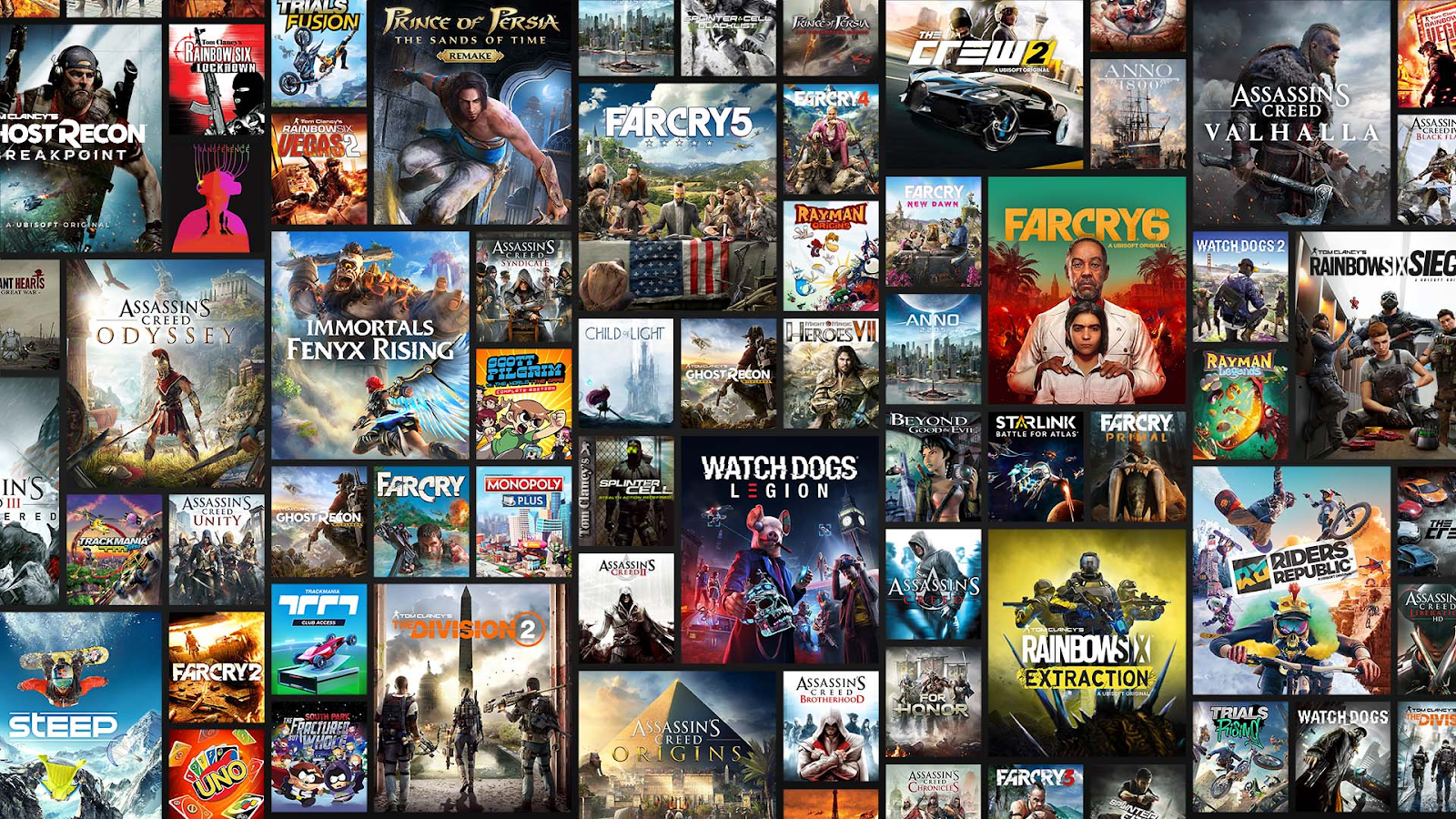
Search for “open world” on any game trailer and you’ll see it treated like a badge of honor. But in reality, open-world design has become the fast-food menu of modern gaming: familiar, formulaic, and bloated.- Large maps with artificial barriers
- Repetitive side quests
- Climbing towers to unlock fast travel points
- Mandatory crafting systems
2. Repetitive Systems That Pretend to Be Deep
Publishers now design games with KPIs, not players, in mind. Engagement metrics dominate decisions. As a result, games are bloated with mechanics that look good in bullet points but do little for the experience.- Crafting trees that unlock incremental damage boosts
- "Choices" that funnel into the same endings
- Progression systems that delay basic functionality
3. Mid-Tier Games Are Nearly Extinct
There was a time when games like Spec Ops: The Line and Singularity could take creative risks without needing to sell 10 million copies. Now, games are either billion-dollar bets or indie projects. The middle is gone. This shrinking of the creative field pushes developers toward the safest possible formats—further fueling homogenization.4. Feature Fatigue Across the Board
Every AAA game feels like it was made with the same template:- Photo mode
- Base-building
- Crafting systems
- Battle pass integration
- Three-tired skill tree
5. Games That Still Dare to Be Different
There are outliers. Games that ignore the formula and win:Hi-Fi Rush
- Shadow dropped with no hype cycle
- Zero microtransactions
- Fun, vibrant, short—and proud of it
Baldur’s Gate 3
- No live service hooks
- Real narrative consequences
- Long-form, premium, complete at launch
Dave the Diver
- Genre mashup that works
- Mid-budget sensibility with indie charm
- Built for joy, not monetization
Engine Convergence Doesn’t Help
With the rise of Unreal Engine 5, many games now look alike—because they literally use the same assets, lighting systems, and blueprints. Developers are forced into the same lanes, regardless of creative intent.The Consequences
- Lower player engagement
- Fatigue from sameness
- Less experimentation
- More abandoned mid-game saves
TL;DR – Why the Homogenization of AAA Gaming Is a Problem
- Every game follows the same open-world/crafting/progression loop
- Risk-taking titles are rare
- Innovation is crushed under safe templates
- Breakout titles prove there's another way